The Science of Joint Mobility: Maintaining Range of Motion After 40
Understanding how joints function and practical approaches to sustaining flexibility and movement capacity throughout mature adulthood.
What Is Joint Mobility?
Joint mobility refers to the range of motion available at any articulation point in the body. This includes the degree of movement in multiple planes—forward and back, side to side, rotational. As we age, joint mobility can naturally decrease, but this process is not inevitable or irreversible with appropriate practice.
The factors that influence joint mobility include cartilage quality, synovial fluid production, connective tissue elasticity, and surrounding muscle strength. Each of these elements responds to regular, thoughtful movement.
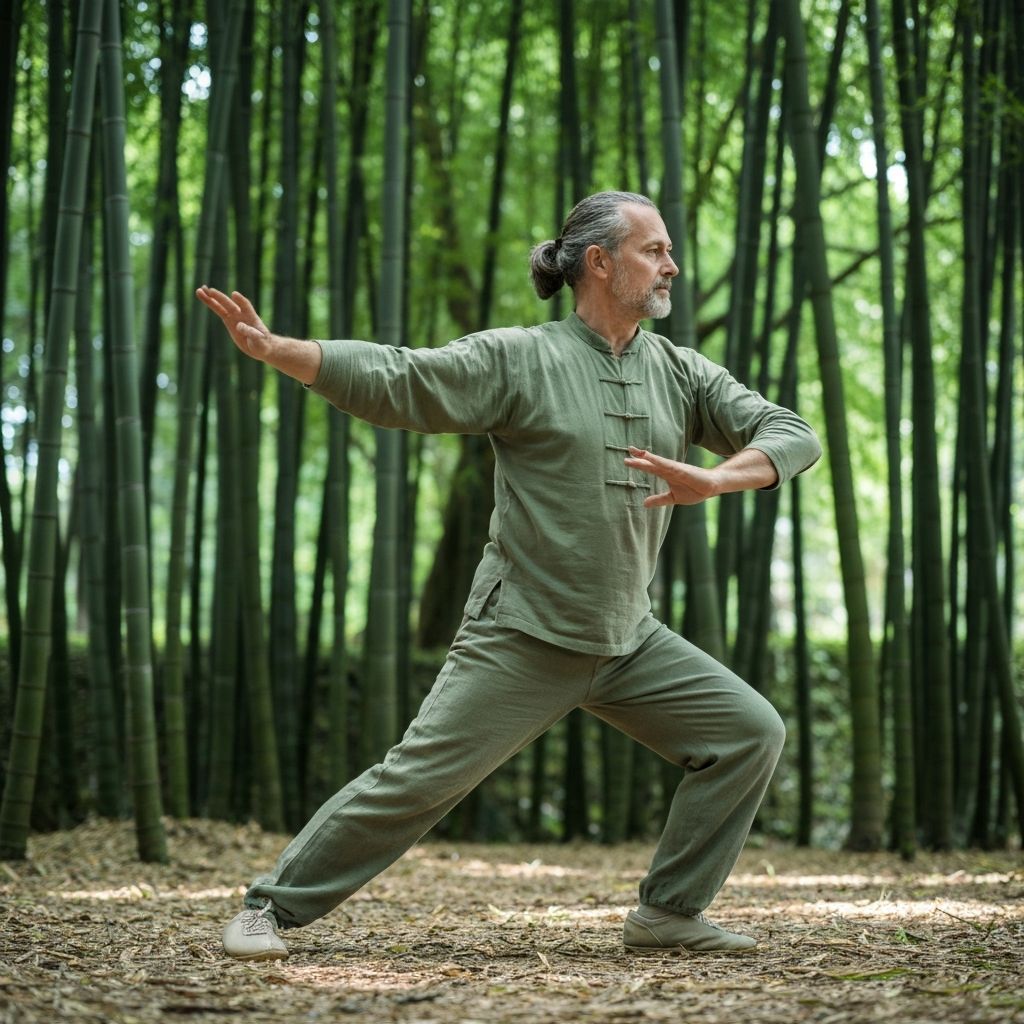
The Physiology of Movement Preservation
Cartilage, which covers the ends of bones at joints, does not have a dedicated blood supply. Instead, it receives nutrients through movement-induced fluid exchange—what researchers call the "sponge mechanism." When joints move through their range, synovial fluid (a lubricant inside the joint capsule) is pumped into and out of cartilage, delivering oxygen and nutrients while removing waste products.
This mechanism has a direct implication: sedentary periods allow cartilage to starve. Movement is literally nourishment for joint surfaces. Regular, moderate movement through the full range of motion supports cartilage health and longevity.
Synovial Fluid and Lubrication
Synovial fluid is sometimes called "liquid life" for joints. This thick, gel-like substance fills the joint capsule and provides both lubrication and nutrient delivery. The production and viscosity of synovial fluid respond to movement patterns. Gentle, consistent activity stimulates production, while prolonged immobility reduces it.
The consistency of synovial fluid also matters. With age and reduced activity, synovial fluid can become less viscous, reducing its protective and lubricating properties. Movement helps maintain optimal viscosity and production rates.
Connective Tissue Adaptation
Tendons, ligaments, and joint capsules—collectively called connective tissue—are living structures that respond to the demands placed upon them. When subjected to regular, moderate stress, they strengthen and become more resilient. When underused, they become stiff and brittle.
This adaptation occurs through changes in collagen fiber organization and cross-linking. Appropriate movement patterns encourage optimal collagen alignment, supporting both flexibility and structural integrity.
Muscle Support and Stability
Muscles crossing joints provide active stability and movement capability. Strong muscles reduce excess stress on passive structures like cartilage and ligaments. They also provide proprioceptive feedback—information about body position—that helps coordinate smooth, efficient movement.
As muscle strength declines with age (a process called sarcopenia), joints must absorb more stress. This can accelerate wear patterns. Strength training, especially lower-body and core work, has a direct protective effect on joint longevity.
Practical Approaches to Maintaining Mobility
- Daily Movement – Consistent, varied movement throughout the day maintains joint fluid dynamics and muscle engagement.
- Full Range Movement – Moving joints through their complete range, gently, sends the strongest signal for tissue maintenance.
- Low-Impact Loading – Walking, swimming, and cycling provide loading stress without impact trauma that can aggravate joints.
- Strength Work – Regular resistance training maintains muscle support and protects joints from excessive stress.
- Flexibility Practices – Gentle stretching and mobility work maintain connective tissue length and resilience.
- Adequate Nutrition – Minerals, protein, and anti-inflammatory foods support tissue repair and adaptation.
- Recovery Time – Adequate sleep and rest periods allow physiological adaptation to exercise stimulus.
Common Misconceptions
Myth: "Pain indicates damage." Reality: Not all joint-related sensations indicate structural damage. Often, discomfort during movement indicates stiffness that improves with gentle, consistent practice.
Myth: "Rest is always the answer." Reality: While acute injury may require brief rest, prolonged immobility accelerates joint stiffness and cartilage deterioration. Gentle movement is typically beneficial.
Myth: "Mobility is fixed." Reality: Joint range of motion responds to consistent practice and can be maintained or improved at any age.
Educational Disclaimer
This article is for educational purposes only. It does not provide medical advice or individual recommendations. Life choices vary based on personal circumstances, and this content should not replace professional consultation.