Physical Vitality and Skeletal Integrity in Mature Adulthood
An educational exploration of how daily movement, essential minerals, and lifestyle practices support long-term physical well-being and mobility.
Educational content only. No promises of outcomes.

Explore Core Topics
The Anatomy of Motion
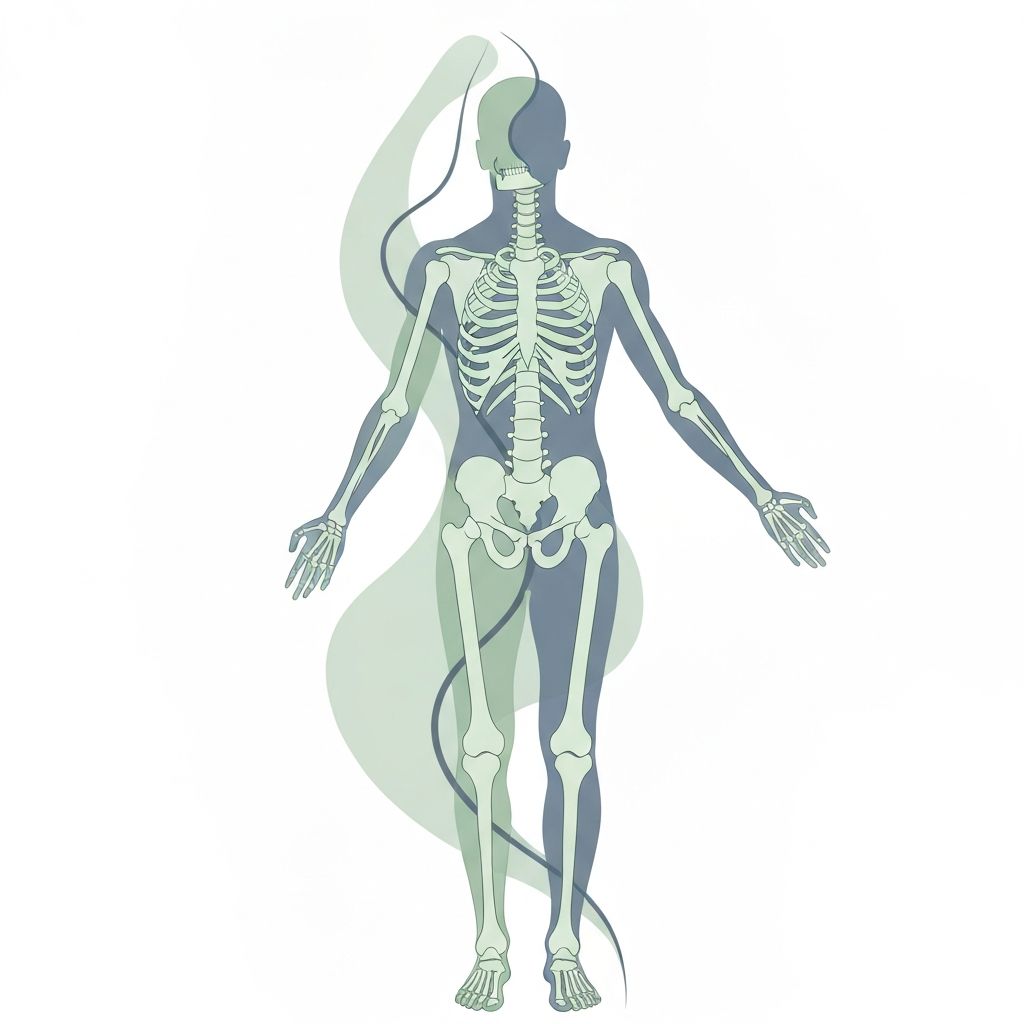
The human body's ability to maintain flexibility and range of motion over decades is a reflection of continuous use, appropriate nutrition, and lifestyle habits. Understanding how skeletal and muscular systems adapt helps frame the importance of consistent, gentle activity.
Joint flexibility is not a fixed trait. It responds to regular, low-impact movement, adequate hydration, and proper mineral intake. The spine, shoulders, and hips are key areas where mobility translates directly into daily function and comfort.
From a physiological perspective, connective tissues benefit from steady stimulation. Gentle stretching, walking, and purposeful movement signal the body to maintain its structural integrity and elastic properties.
Mineral Synergy and Bone Density
| Mineral | Primary Role | Common Sources | Relevance to Skeletal Framework |
|---|---|---|---|
| Calcium | Structural foundation | Leafy greens, seeds, dairy alternatives | Forms the primary mineral component of bone matrix |
| Magnesium | Mineral absorption, muscle function | Nuts, legumes, whole grains, leafy vegetables | Regulates calcium transport and skeletal tissue formation |
| Phosphorus | Bone mineralization | Seeds, fish, legumes, whole grains | Works with calcium to form hydroxyapatite crystal structure |
| Vitamin D | Calcium absorption enhancer | Sunlight exposure, fatty fish, fortified sources | Essential for intestinal calcium absorption and bone remodeling |
This table presents general information about nutritional components and their roles in skeletal health. Individual needs vary widely based on personal circumstances.
Morning Rituals and Daily Movement

Benefits of Early-Day Activation
- Increased Synovial Fluid Production – Gentle movement lubricates joints and enhances range of motion throughout the day.
- Improved Circulation – Morning activity increases blood flow to muscles and connective tissues.
- Enhanced Proprioception – Awareness of body position in space improves after movement activation.
- Elevated Energy Levels – Light activity and stretching signal the nervous system to increase alertness.
- Better Postural Alignment – Intentional morning movement often improves posture throughout the day.
- Stress Reduction – Gentle physical activity supports a calm, grounded start to the day.
Longevity and Active Lifestyle Data
General data from UK wellness and aging research suggests patterns around physical activity and long-term health outcomes.
Sustaining Energy Through Nutrition
Physical stamina in mature adulthood is deeply influenced by nutritional choices. The intersection of adequate calorie intake, balanced macronutrient distribution, and micronutrient density determines how efficiently the body fuels daily movement and recovery.
Foods rich in antioxidants, fiber, and essential minerals support muscle integrity and endurance capacity. A diet emphasizing whole grains, legumes, seeds, leafy vegetables, and healthy fats provides both immediate energy and long-term structural support.
Hydration remains equally critical. Water regulates electrolyte balance, supports connective tissue elasticity, and enables nutrient transport. Consistent fluid intake throughout the day supports both physical performance and recovery.
The relationship between meal timing and physical activity also matters. Light meals before movement and adequate protein after activity support muscle maintenance and adaptation.

Skeletal Support: Beyond Medical Framework
Factors Contributing to Bone Strength
Skeletal integrity in mature years depends on multiple interconnected factors. Weight-bearing activity sends mechanical signals to bone cells, encouraging maintenance of mineral density. The body responds to consistent, moderate stress by reinforcing structural support.
Muscular strength directly supports skeletal health. Muscles attach to bone via tendons and provide dynamic stability. Strong muscles reduce excess stress on joints and support overall body mechanics.
Postural awareness prevents chronic misalignment that weakens certain structures. Sitting and standing habits influence long-term spinal and hip integrity.
Inflammation management through lifestyle choices—adequate sleep, stress reduction, and anti-inflammatory-rich foods—supports tissue longevity. Chronic inflammation can accelerate bone remodeling in unfavorable directions.
Digestive health optimizes mineral absorption. A well-functioning digestive system maximizes the benefit of calcium, magnesium, and other nutrients from food sources.
Community Perspectives on Aging Gracefully
Active Participation
Local UK communities increasingly recognize that physical participation in daily life—walking, gardening, group activities—is central to wellbeing and social connection in mature years.
Knowledge Sharing
Peer-to-peer learning about movement practices, nutrition, and wellness habits creates informal networks where experiences are exchanged without medical framing.
Accessibility Focus
Community wellness initiatives emphasize low-barrier, inclusive movement opportunities—parks, group walks, accessible facilities—that allow people of varying ability levels to participate.
Holistic Life Integration
Aging gracefully is understood as integrating physical practice into everyday life, rather than treating wellness as a separate, isolated activity.
Frequently Asked Questions
Educational Disclaimer
This resource is for educational purposes only. It does not provide medical advice or individual recommendations. Life choices vary based on personal circumstances, and this content should not replace professional consultation. Information presented here describes general principles and does not diagnose, treat, or promise outcomes.
Have questions or want to learn more about specific topics?
Explore More Resources